• Gardens
  • Find plants
  • Floriade 2022
  • Botanic guardians
  • home
  • about us
  • contact
Nederlands
  Back to results

Dawn Redwood

Metasequoia glyptostroboides

Cypress family (Cupressaceae)

Endangered

Scaffolding of living fossil

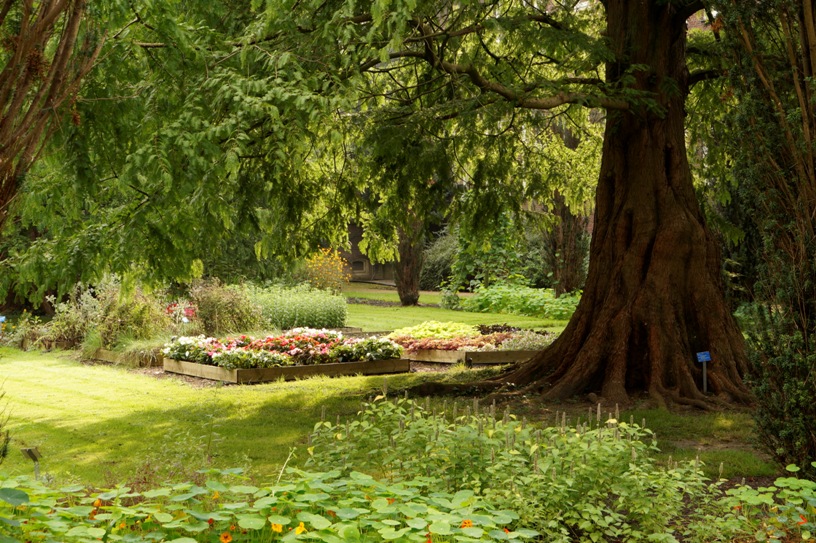
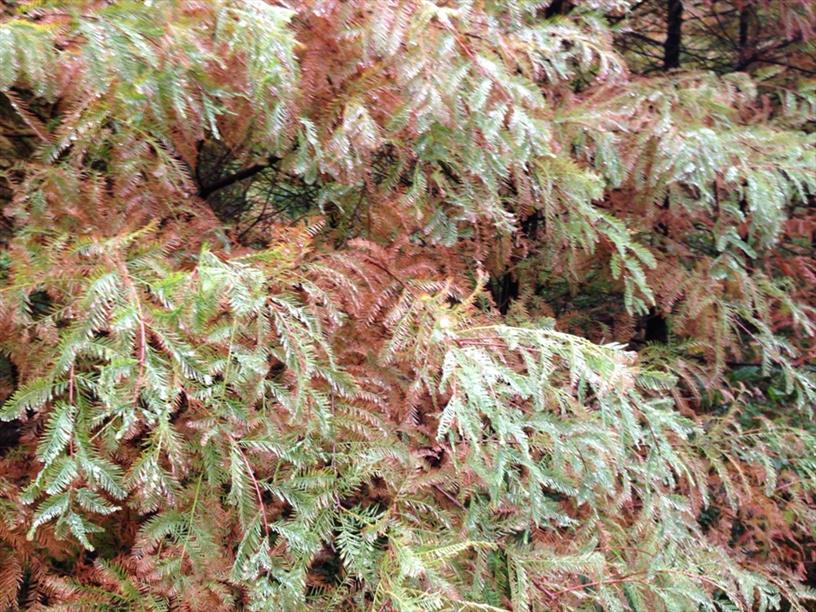
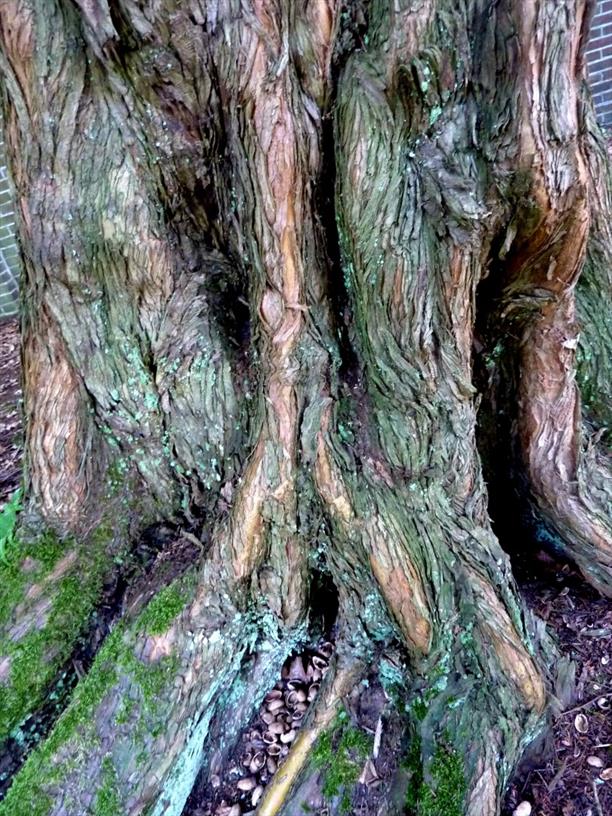
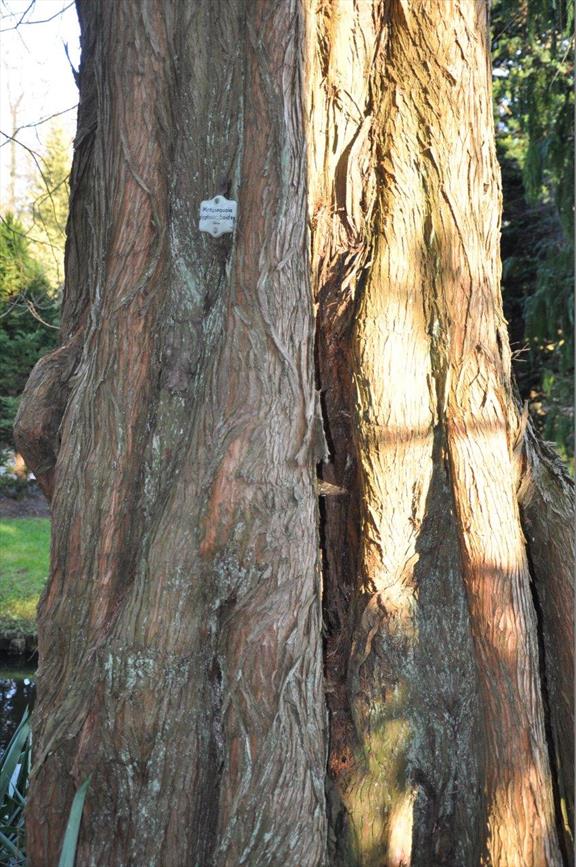
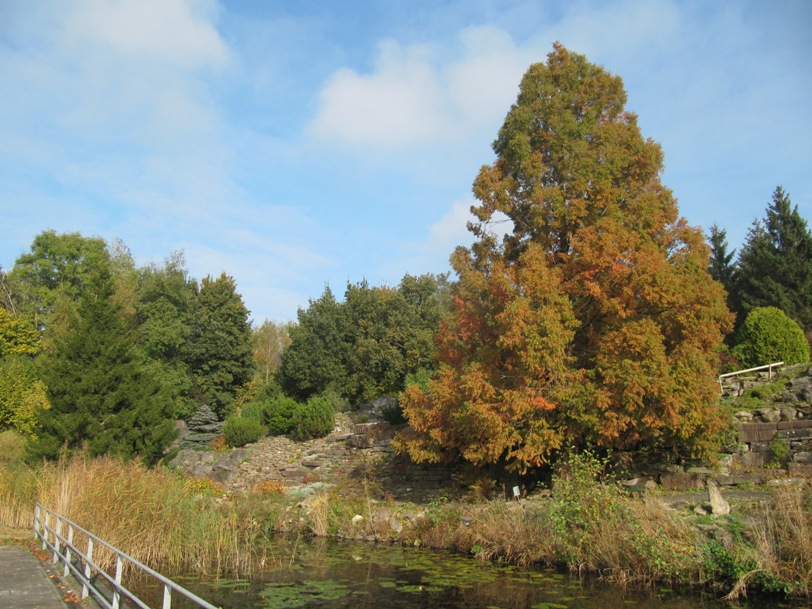
The dawn redwood is a deciduous conifer, just like the larch. The tree has long been known but only from the fossil record (70 to 5 million years ago).

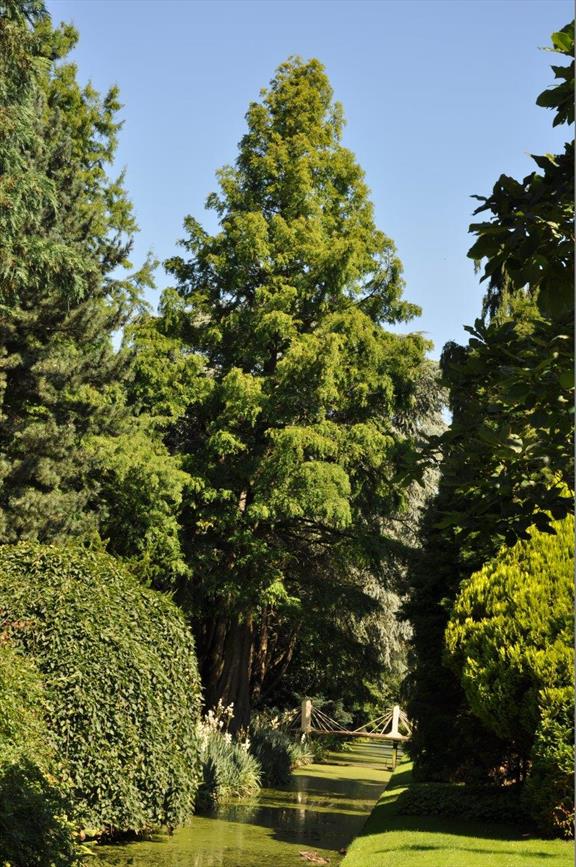
In 1941, in an inaccessible area of China, a forester discovered a small population of unfamiliar trees: trees with thin branches, graceful foliage and a beautiful pyramid-shaped crown. Chinese dendrologists identified them as the supposedly extinct Metasequoia. In 1947 with the support from the Arnold Arboretum an expedition set out to collect seeds from which several botanical gardens in the Netherlands have grown material.

The dawn redwood grows fast and in China is now widely planted to supply timber for scaffolding used in many construction projects in the country.

Read more.... »

Scaffolding of living fossil

The dawn redwood is a deciduous conifer, just like the larch. The tree has long been known but only from the fossil record (70 to 5 million years ago).

In 1941, in an inaccessible area of China, a forester discovered a small population of unfamiliar trees: trees with thin branches, graceful foliage and a beautiful pyramid-shaped crown. Chinese dendrologists identified them as the supposedly extinct Metasequoia. In 1947 with the support from the Arnold Arboretum an expedition set out to collect seeds from which several botanical gardens in the Netherlands have grown material.

The dawn redwood grows fast and in China is now widely planted to supply timber for scaffolding used in many construction projects in the country.

Discovered in 1944 in the Shuishaba Valley

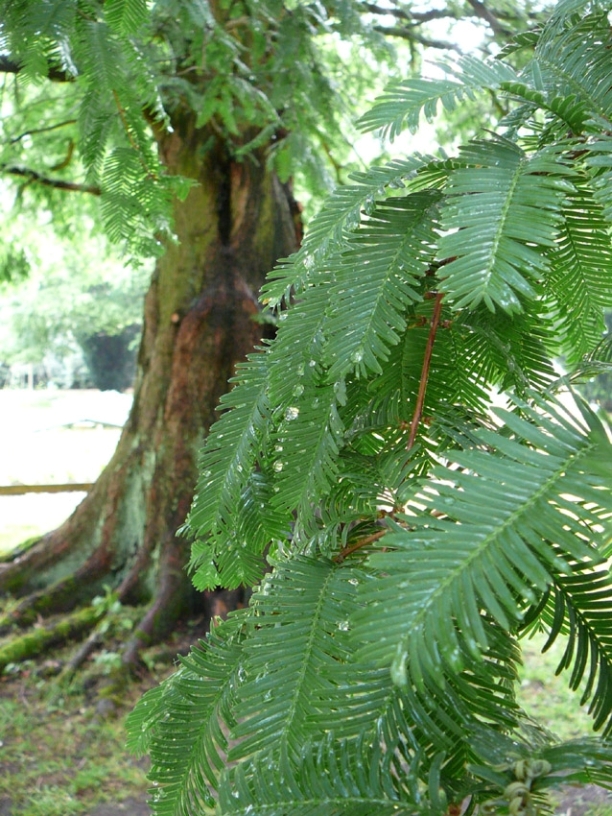
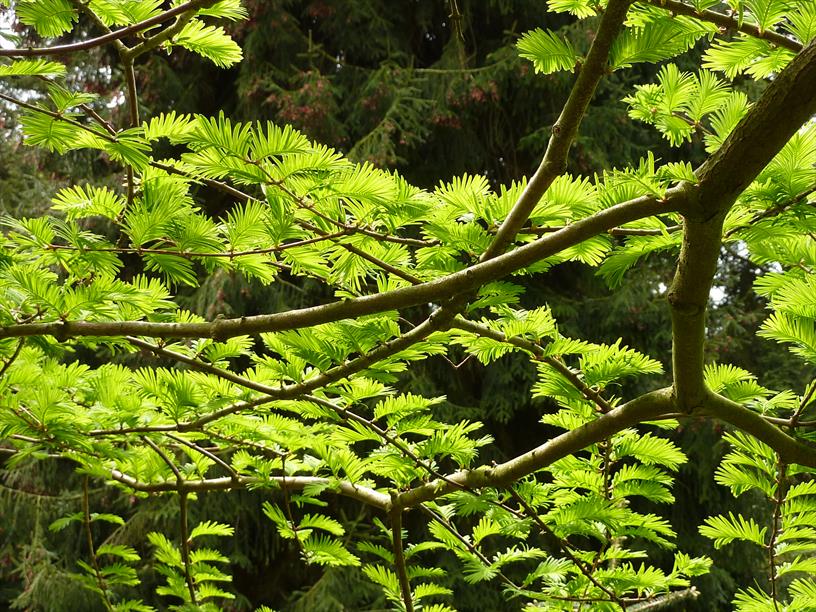
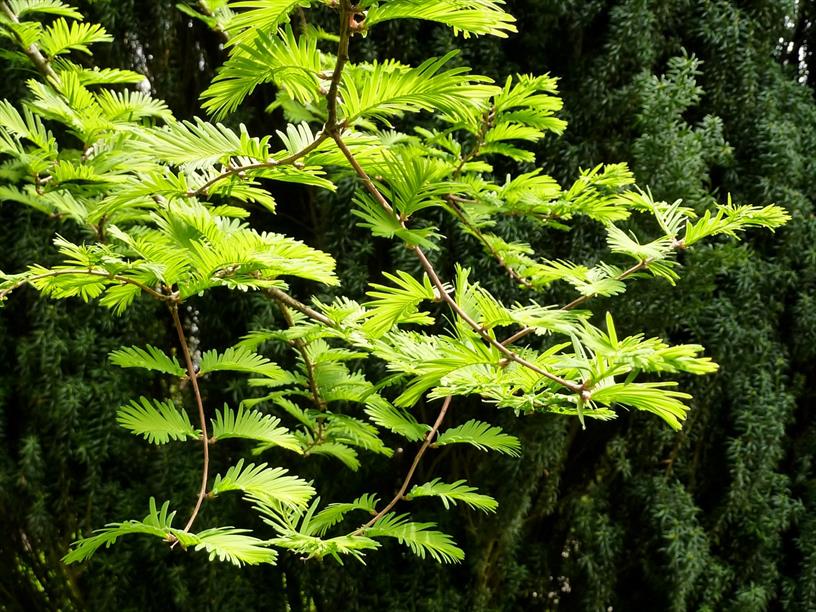
The genus Metasequoia was first described from fossil material. Shortly afterwards in Central China a new tree was discovered - a Metasequoia. It was a ‘living fossil’, similar to the more well-known Ginkgo biloba which is also found in China. In the wild the tree can reach about 35 m in height. On first sight this species looks like the bald cypress, Taxodium distichum, from North America. The dawn redwood differs in that its leaves are oppositely arranged whereas on the bald cypress they are offset.

Ecology and habitat

Small native populations of the dawn redwood occur on wet ground along rivers and in open woodland that flood regularly. Therefore it is similar to the bald cypress (Taxodium distichum) in its environmental requirements. The remaining populations are all of what remains of a, once extensive, riverine woodland, in which the dawn redwood was a component. In the Shuishaba Valley in China, where this species can still be found, a continental climate with warm summers and cold winters prevail.

Threat

When the species was discovered in1944, they grew in a forest comprising about 6000 large trees in the Shuishaba Valley. During the Chinese Revolution of 1949 this forest was felled. All that remains are small groups of trees here and there, lone witnesses to the original forest, enclosed by agriculture and villages. Although large individual trees are protected, the wild population is still under threat from increasing agriculture as its natural habitat is disappearing and the species cannot recover in the wild. The species can now be found worldwide - the result of botanic gardens and growers.

« Description

Present in:

Hortus Botanicus Amsterdam
Hortus botanicus Leiden
Botanische Tuinen Universiteit Utrecht
Belmonte Arboretum
Trompenburg Tuinen en Arboretum
Landgoed Schovenhorst
Botanische Tuin Arboretum Oudenbosch
Botanische Tuin Kerkrade
Pinetum Blijdenstein
TU Delft Hortus Botanicus
Nationaal Bomenmuseum Gimborn
Hortus botanicus Haren / Groningen
Arboretum Poort Bulten
ARTIS
Themes

Crown jewel in the Botanical Garden TU Delft, Haren Botanic Garden, Blijdenstein Pinetum, Poort Bulten Arboretum, Schovenhorst Estate, Utrecht Botanic Gardens.

Part of the Dutch National Conifer Collection.

The genus Metasequoia was first described from fossil material. Shortly afterwards (1944) in Central China a new tree was discovered: Metasequoia - a living fossil. When the species was discovered in 1944, it was growing in a forest comprising about 6000 large trees in the Shuishaba Valley. During the Chinese Revolution of 1949 this forest was felled.

Fragrant; contains resin.

In the past the timber of this species was used for local construction. Plants can be used to grow tall hedges and their extensive root system helps stabilize river banks and paddy field walls.

The genus Metasequoia was first described from fossil material. Shortly afterwards (1944) in Central China a new tree was discovered - the Metasequoia, a living fossil. This is the only living species of the genus Metasequoia.

Details

Description: Conifer, up to 35 m.
Distributions: China
Habitat: Along rivers and in open woodland that flood regularly.
Year cycle: Perennial (polycarpic decidous)
Hardiness: Colder than -4 f (very hardy)
Flowering period: April - mei
Flower color: Not applicable
Fruiting period: Mei - juni
At its best: Mei - oktober

Distribution

https://threatenedconifers.rbge.org.uk/conifers/metasequoia-glyptostroboides

Sources

http://www.conifers.org/cu/Metasequoia.php,
http://flora.huh.harvard.edu/china/Harvard_Papers/Ma_8_1_009_018.pdf,
https://www.rhs.org.uk/Plants/11093/Metasequoia-glyptostroboides/Details?returnurl=%2fplants%2fse...,
http://www.pfaf.org/user/Plant.aspx?LatinName=Metasequoia+glyptostroboides
  Back to results
NVBT
  • Press
  • Contact
  •