• Gardens
  • Find plants
  • Floriade 2022
  • Botanic guardians
  • home
  • about us
  • contact
Nederlands
  Back to results

Coastal Redwood

Sequoia sempervirens

Cypress family (Cupressaceae)

Endangered

Hundred metre tall Christmas tree

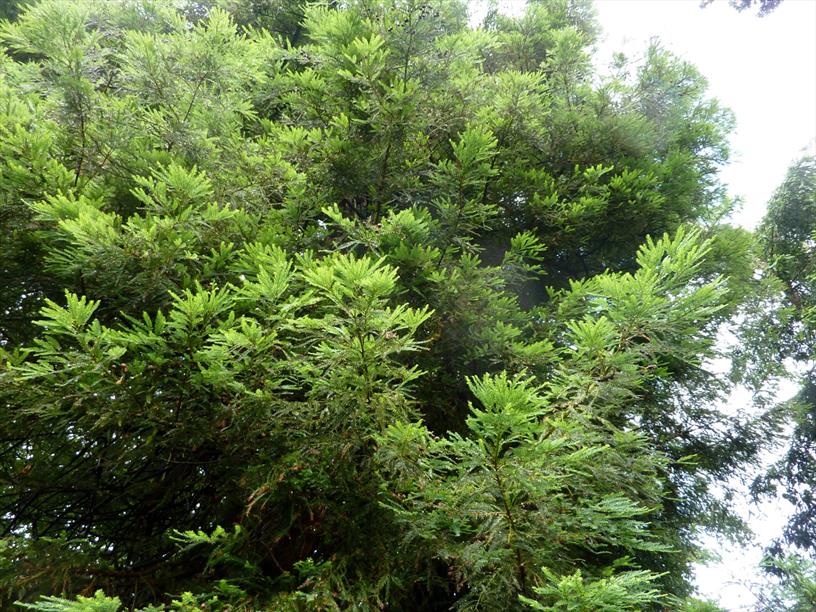
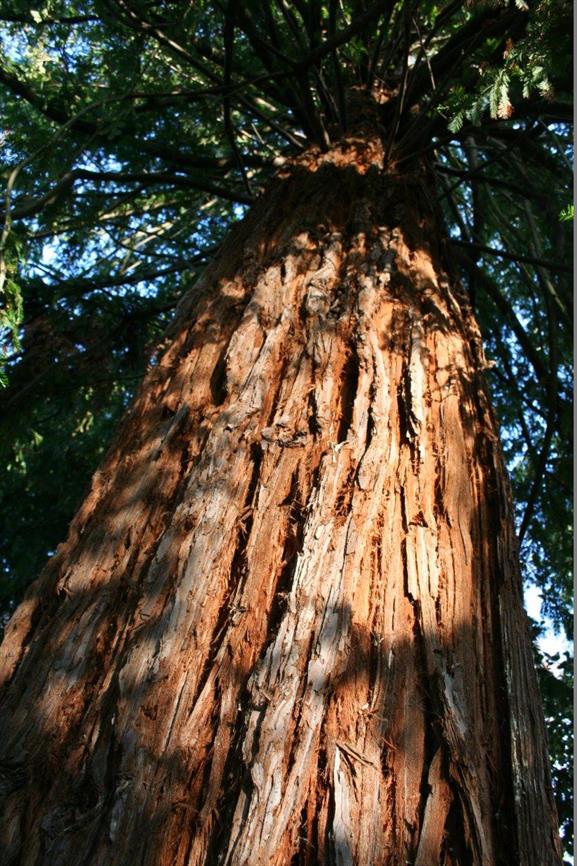
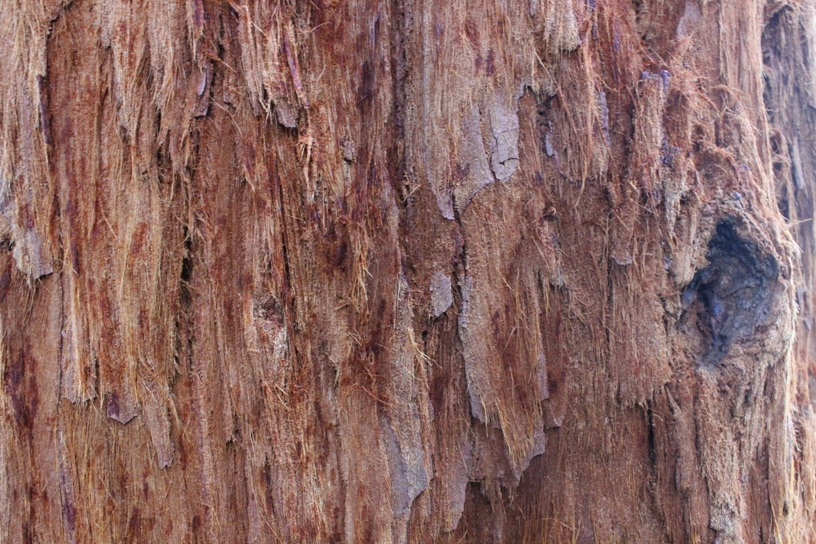
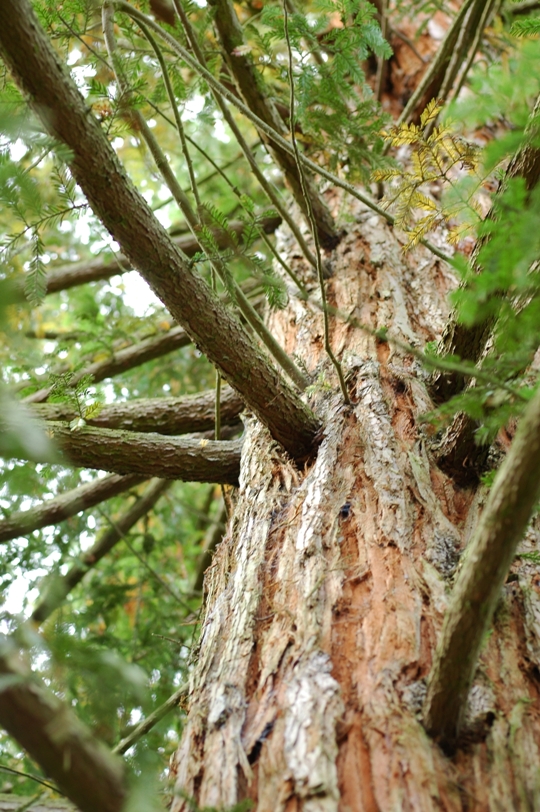
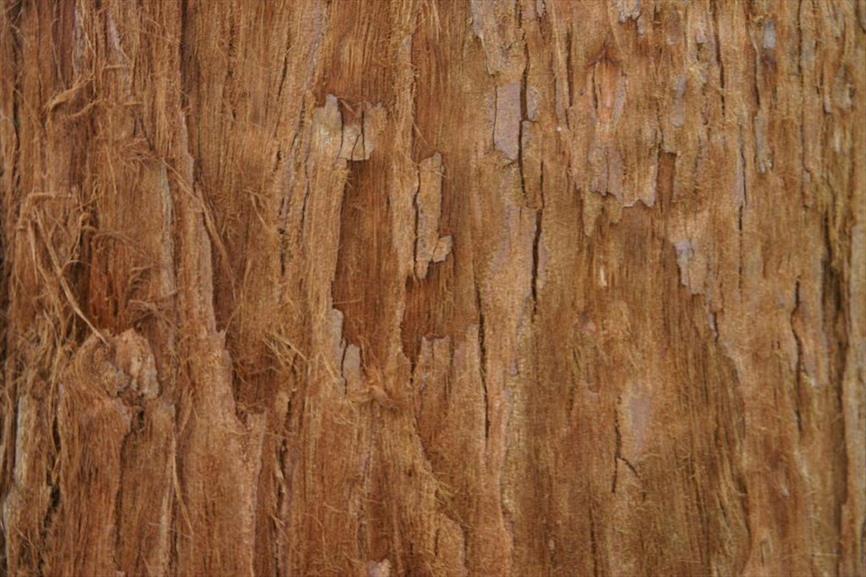
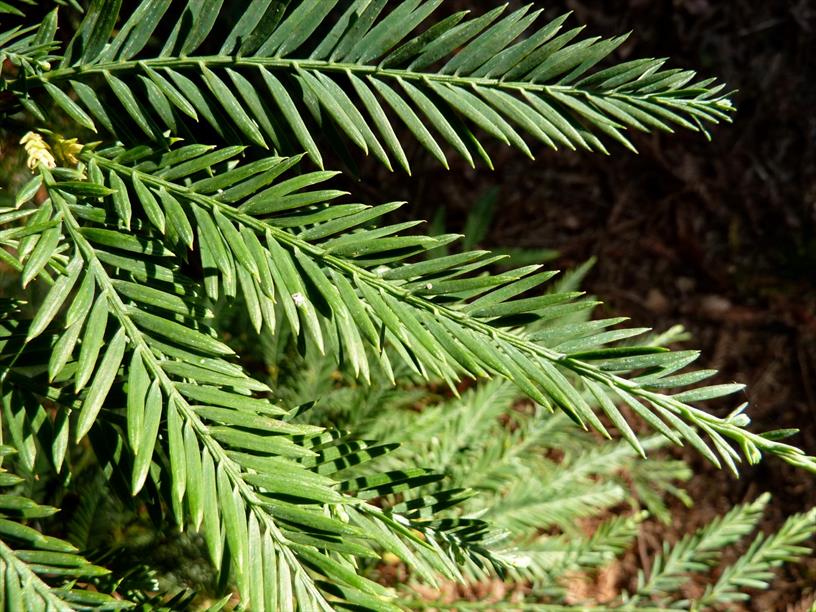
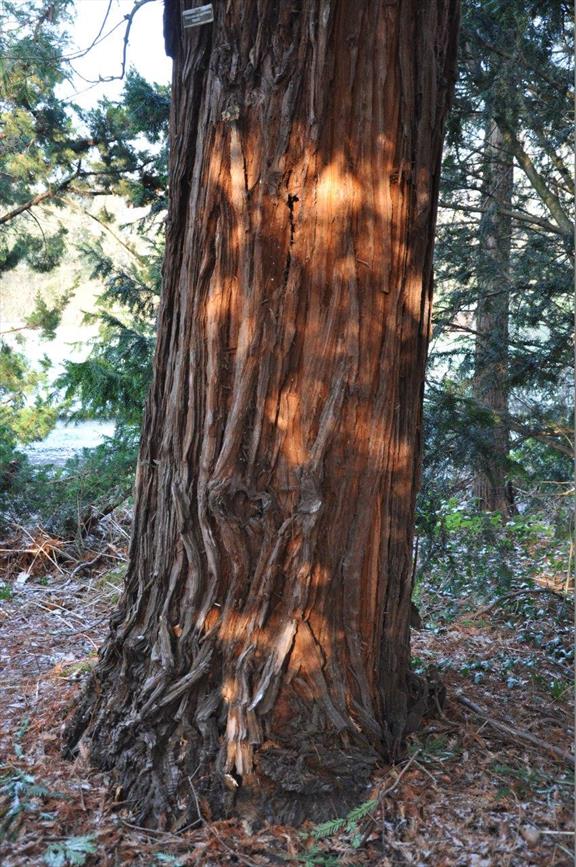
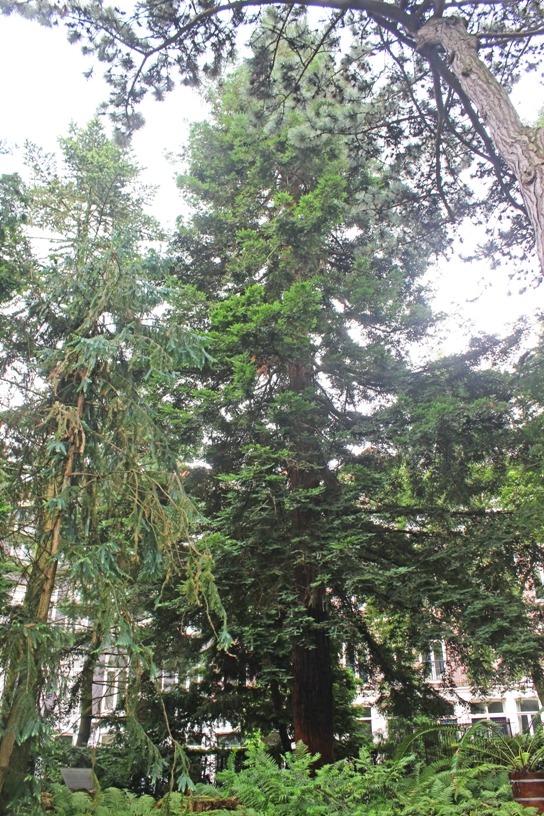
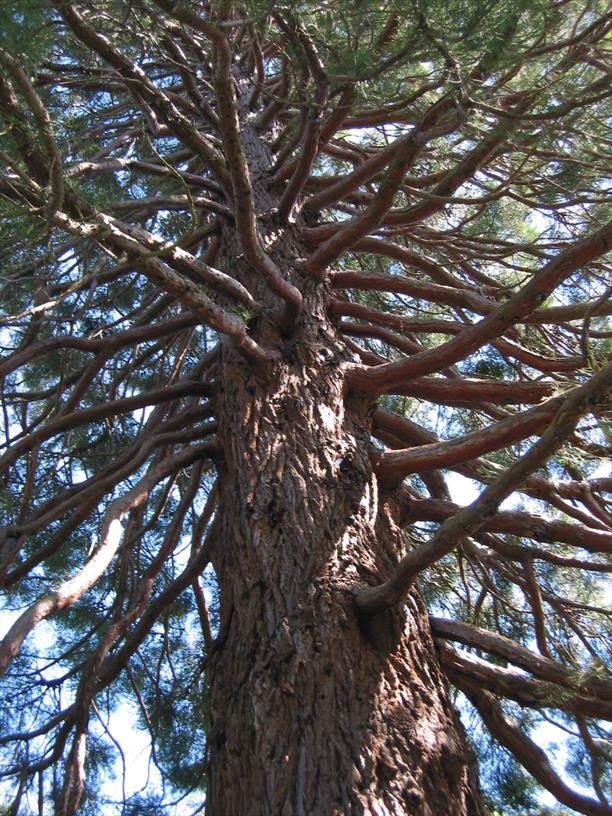
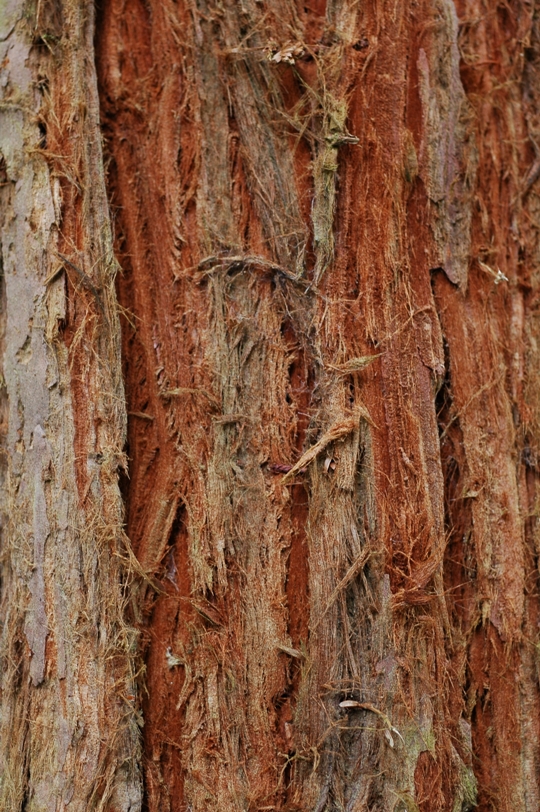
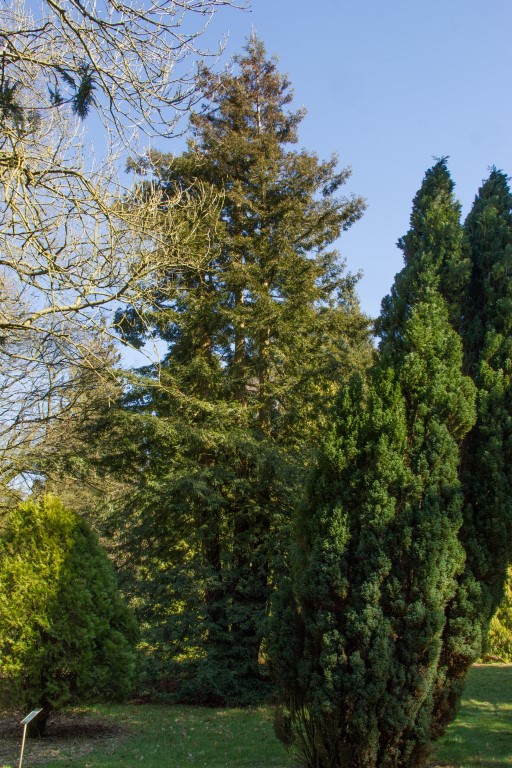
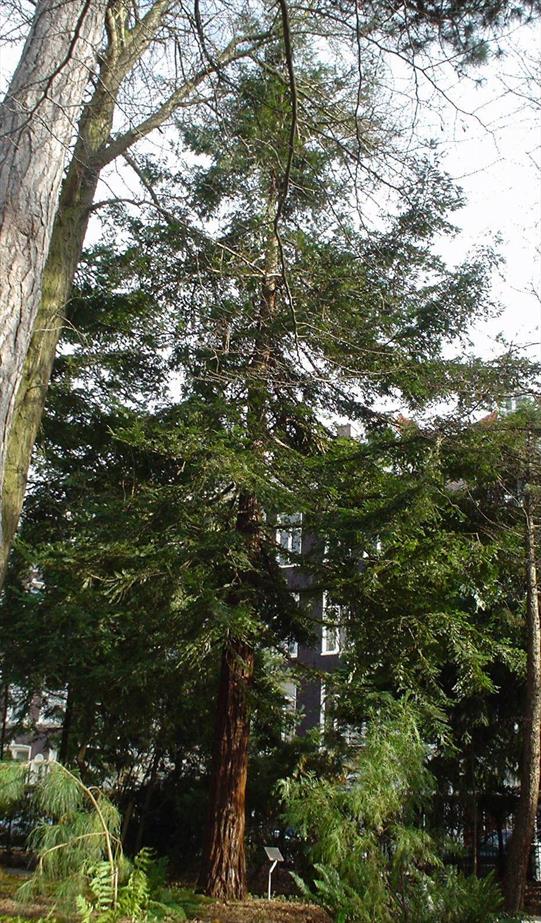
Sequoia sempervirens is one of the tallest species of tree in the world. The tree has the shape of a Christmas tree but the height of the Dom Cathedral in Utrecht. The bark is red and fibrous and protects the buds from forest fires. For its seeds to germinate heat is a prerequisite. A forest fire clears competing species from the area leaving the forest floor clean and covered with nutritious minerals.

The coast redwood is native to the west coast of North America. Here the climate is permanently moist and mild (temperate rainforest). These trees can live for many years sometimes for as long as 2,000 years. The wood is widely used for garden furniture, fences and the like because it has excellent moisture resistant properties.

Read more.... »
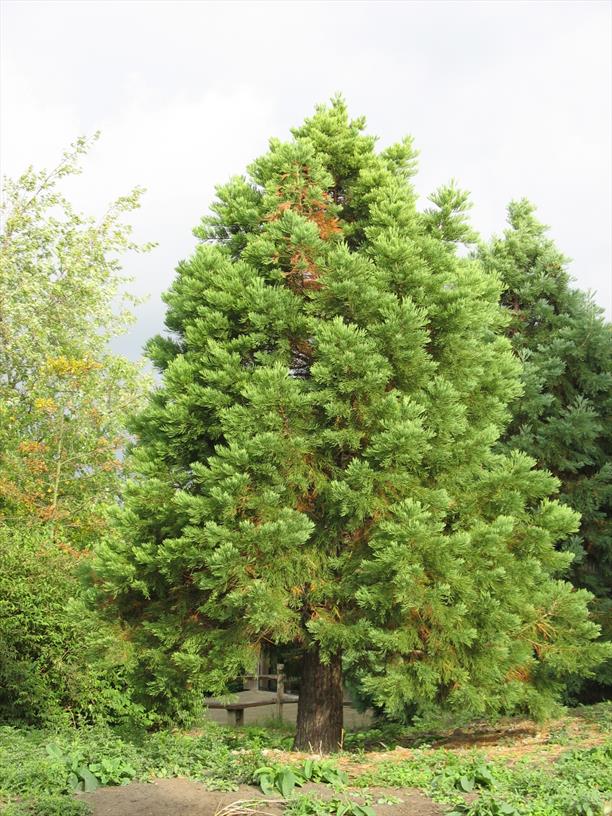
Hundred metre tall Christmas tree

Sequoia sempervirens is one of the tallest species of tree in the world. The tree has the shape of a Christmas tree but the height of the Dom Cathedral in Utrecht. The bark is red and fibrous and protects the buds from forest fires. For its seeds to germinate heat is a prerequisite. A forest fire clears competing species from the area leaving the forest floor clean and covered with nutritious minerals.

The coast redwood is native to the west coast of North America. Here the climate is permanently moist and mild (temperate rainforest). These trees can live for many years sometimes for as long as 2,000 years. The wood is widely used for garden furniture, fences and the like because it has excellent moisture resistant properties.

The tallest tree in the world

At up to 110 m in height and a thickness of up to 9 m, Sequoia sempervirens is perhaps the tallest tree in the world. Individuals can reach over 2000 years in age. This species is only plant that naturally occurs as a hexaploid conifer (with six sets of chromosomes instead of the more usual two) and is one of the few conifers that can reproduce vegetatively. Sequoia-related genera were growing in the Cretaceous (145 – 65 million years ago), and their range also included the Netherlands. A predecessor to the Sequoias growing today, Taxodioxylon gypsaceum, can be found in a fossilized forest on Lesbos (Greece). The wood doesn’t rot and so was often used in construction, such for railway sleepers and wooden bridges. The bark is red-brown and a good insulator but is often chipped and scattered in gardens to deter weeds. There are a dozen cultivars of Sequoia. The ‘redwood’, to which Sequioa sempervirens and Sequoiadendron giganteum belong, is the ‘state’ tree of California.

Ecology and habitat

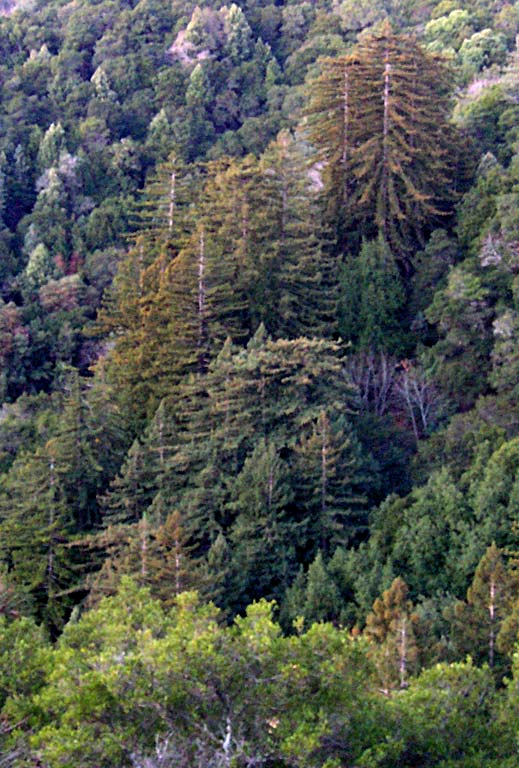
Sequoia sempervirens is endemic to the Californian coast. It grows in temperate rainforests up to 750 m altitude, in a zone stretching for 800 km in length by a few dozen kilometres wide. It dominates in low lying river valleys and is part of mixed forests at higher altitude. It regenerates easily, under- as well as above the ground. Many trees are able to regrow again from a burnt stump. Sea mist is important as the tree uses this to obtain water in the dry summers with the aid of adaptation in its crown.

Threat

The natural population of the coast redwood has declined, probably by more than 50%, as a result of felling in the past. ‘Redwood forest’ is restricted to 80,000 ha which are nearly all protected. Decline in numbers is still on going outside these protected areas due to replacement with other trees after felling, and urbanisation.

« Description

Present in:

Hortus Botanicus Amsterdam
Botanische Tuinen Universiteit Utrecht
Belmonte Arboretum
Trompenburg Tuinen en Arboretum
Landgoed Schovenhorst
Botanische Tuin Kerkrade
Pinetum Blijdenstein
Nationaal Bomenmuseum Gimborn
Hortus botanicus Haren / Groningen
ARTIS

Themes

Crown jewel in the Hortus Botanicus Amsterdam, Blijdenstein Pinetum, Trompenburg Gardens & Arboretum and Von Gimborn Arboretum.

Part of the Dutch National Conifer Collection.

Fragrant; contains resin.

The wood of the coast redwood does not rot and was therefore often used in construction, for railway sleepers and wooden bridges. The bark is red-brown and makes a good insulator but is also often chipped and scattered in gardens as a mulch to deter weed growth.

A long-lived tree species that is generally considered to be the tallest tree in the world.

Details

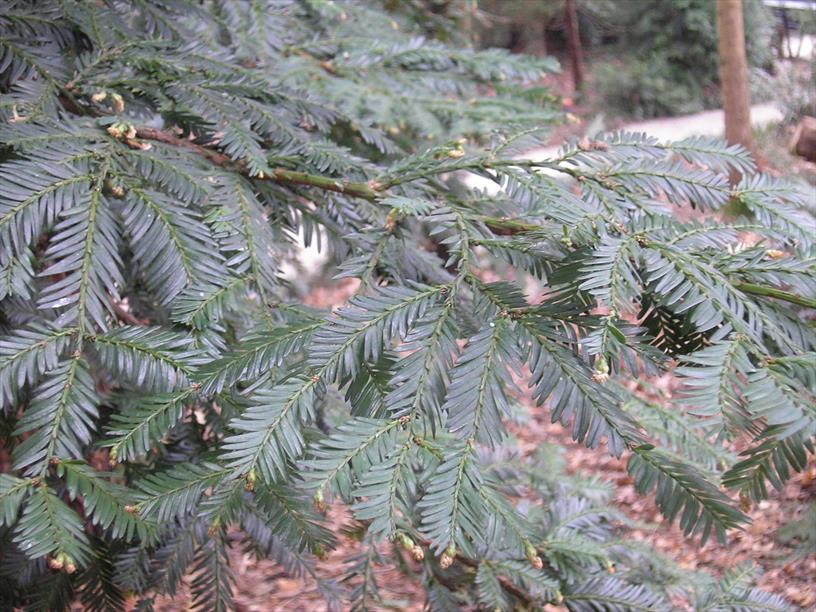
Description: Conifer, tree up to 110 m and 9 m in diameter
Distributions: California
Habitat: Subtropical conifer forests.
Year cycle: Perennial (polycarpic evergreen)
Hardiness: 5 - 14 f (hardy - cold winter)
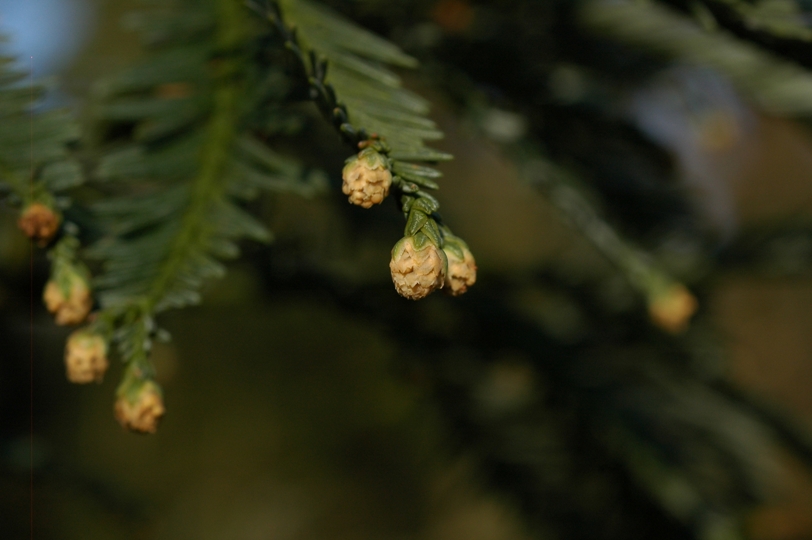
Flowering period: Mei - juni
Flower color: Not applicable
Fruiting period: Mei - november
At its best: Mei - oktober

Distribution

https://threatenedconifers.rbge.org.uk/conifers/sequoia-sempervirens

Sources

http://www.conifers.org/cu/Sequoia.php,
http://www.missouribotanicalgarden.org/PlantFinder/PlantFinderDetails.aspx?kempercode=a168
  Back to results
NVBT
  • Press
  • Contact
  •