• Gardens
  • Find plants
  • Floriade 2022
  • Botanic guardians
  • home
  • about us
  • contact
Nederlands
  Back to results

Agarwood or Eagle wood

Aquilaria crassna

Mezereum family (Thymelaeaceae)

Critically Endangered

Resin production following infection

Amongst the precious items that have been poached from the wild, sits agarwood, which produces a fragrant resin. From this resin an oil is extracted, which fetches more than $10,000 per litre. The wonderful fragrance was formerly reserved only for kings and sheiks. Agarwood can also be found in expensive Japanese incense but in a powdered form. It is used during special feasts, meditations, ceremonies and in traditional Asiatic medicine.

Agarwood is not just the wood of the tree, because then it wouldn’t be so expensive. After the tree has become infected by a fungus (an ascomycete) it produces the resin, which prevents the fungus from spreading through the whole tree. The wood changes colour from light to dark. Aquilaria comes from the Sanskrit and in this language there are more than 30 words for agarwood (oil).

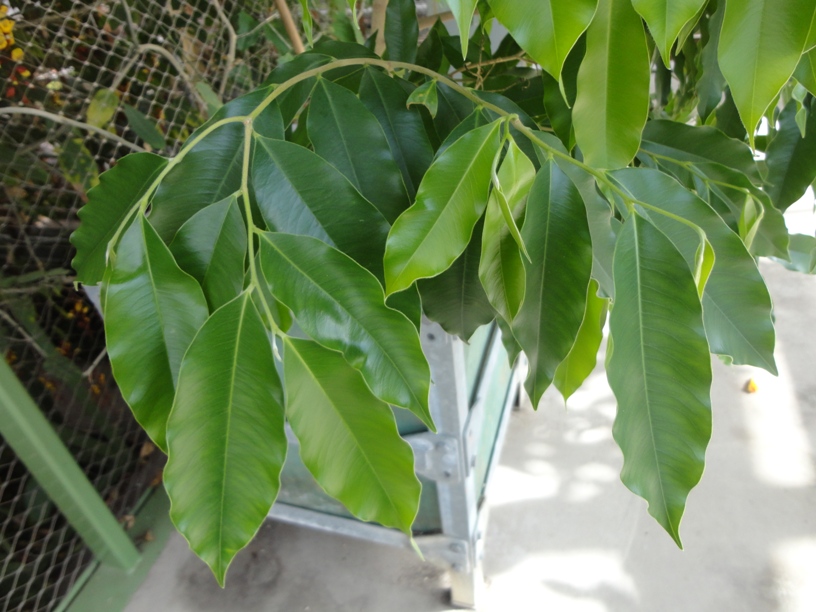
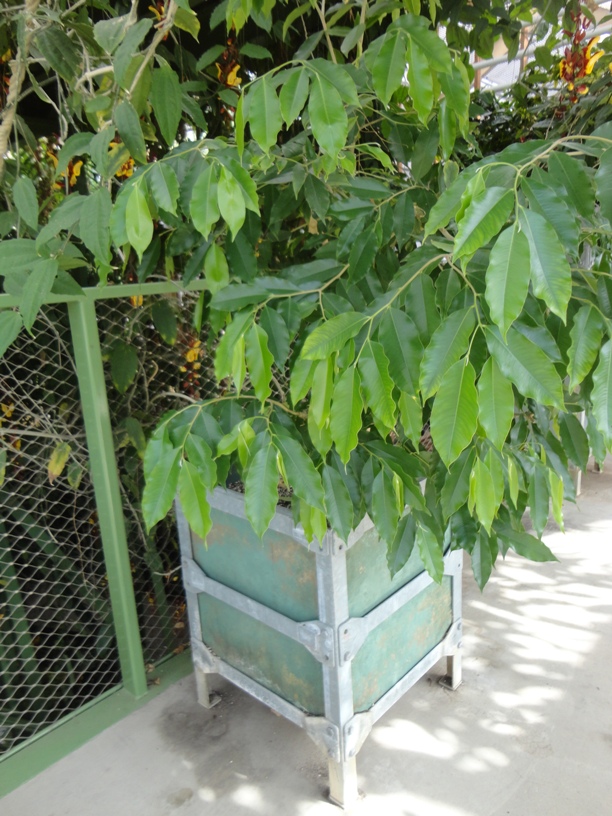
There are 17 species of Aquilaria from which the oil can be extracted, four of these are on the Red List including Aquilaria crassna. Agarwood is an evergreen tree which can reach 20 m in height. The leaves are elliptical and the waxy, white flowers borne in bunches.
Read more.... »

Resin production following infection

Amongst the precious items that have been poached from the wild, sits agarwood, which produces a fragrant resin. From this resin an oil is extracted, which fetches more than $10,000 per litre. The wonderful fragrance was formerly reserved only for kings and sheiks. Agarwood can also be found in expensive Japanese incense but in a powdered form. It is used during special feasts, meditations, ceremonies and in traditional Asiatic medicine.

Agarwood is not just the wood of the tree, because then it wouldn’t be so expensive. After the tree has become infected by a fungus (an ascomycete) it produces the resin, which prevents the fungus from spreading through the whole tree. The wood changes colour from light to dark. Aquilaria comes from the Sanskrit and in this language there are more than 30 words for agarwood (oil).

There are 17 species of Aquilaria from which the oil can be extracted, four of these are on the Red List including Aquilaria crassna. Agarwood is an evergreen tree which can reach 20 m in height. The leaves are elliptical and the waxy, white flowers borne in bunches.

Ecology and habitat

1915 Agarwood was formally described based on material from Cambodia but is more frequently found in Southeast Asia. It is a species which grows in woods, on a sand mixed with clay substrate. It is able to spread throughout the forest but only in places where enough light penetrates the canopy.

Threat

Today it is forbidden to collect the resin from trees growing in the wild. In plantations the first experiments have been undertaken to manually infect the trees with the fungus and thus obtain the fragrant wood from cultivation.  

« Description

Present in:

Hortus botanicus Leiden

Themes

The Botanical Gardens Association cannot take any responsibility for any adverse effects of the use of plants. Always seek the advice of a professional before using any plant medicinally. Always seek the advice of a professional before using any plant medicinally.

Agarwood is one of the most precious items to be poached from the wild; it produces a fragrant resin.

From the resin an oil can be extracted, which fetches more than $10,000 per litre. The wonderful fragrance was formerly reserved only for kings and sheiks.

Agarwood can also be found in a powdered form in expensive Japanese incense. It is burnt during special feasts, meditations and ceremonies.

Powdered agarwood is used in traditional Asiatic medicine to cure stomach aches and some cardiovascular disorders.

Details

Description: Tree, up to 20 m, diameter 0.50 m.
Distributions: Southeast asia
Habitat: Woods, on a sand mixed with clay substrate.
Year cycle: Perennial (polycarpic evergreen)
Flowering period: Maart - april
Flower color: Yellow
Notes on flowers: Yellow
Fruiting period: Juni - juli

Sources

http://www.fao.org/docrep/005/ac648e/ac648e0f.htm
  Back to results
NVBT
  • Press
  • Contact
  •