• Gardens
  • Find plants
  • Floriade 2022
  • Botanic guardians
  • home
  • about us
  • contact
Nederlands
  Back to results

Arnica

Arnica montana

Endangered (EN)

From the mountains but also in the Netherlands

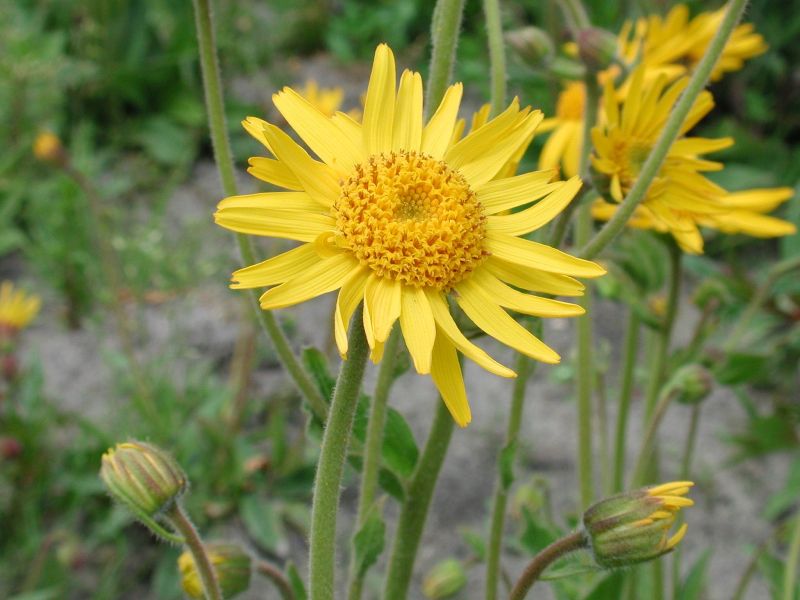
Arnica montana has delicately stalked yellow flowers. It is a medicinal herb that reduces joint and tissue inflammation and encourages healing. Arnica is exclusively native to Europe, from Spain to southern Scandinavia. In the Netherlands this rare species grows on weakly acidic, dry to moist soils such as heaths and dry grassland. Elsewhere in Europe Arnica montana is relatively common in mountainous regions.

Air pollution (acidification and eutrophication) has resulted in a drastic decline in the numbers of this species. It has disappeared from Utrecht, Noord-Brabant and Limburg and is now only found only in the Northern areas of the Netherlands. Further afield mountain arnica is harvested and collected, often illegally, for its medicinal properties. The plant cannot be imported without notifying border agencies.

Read more.... »
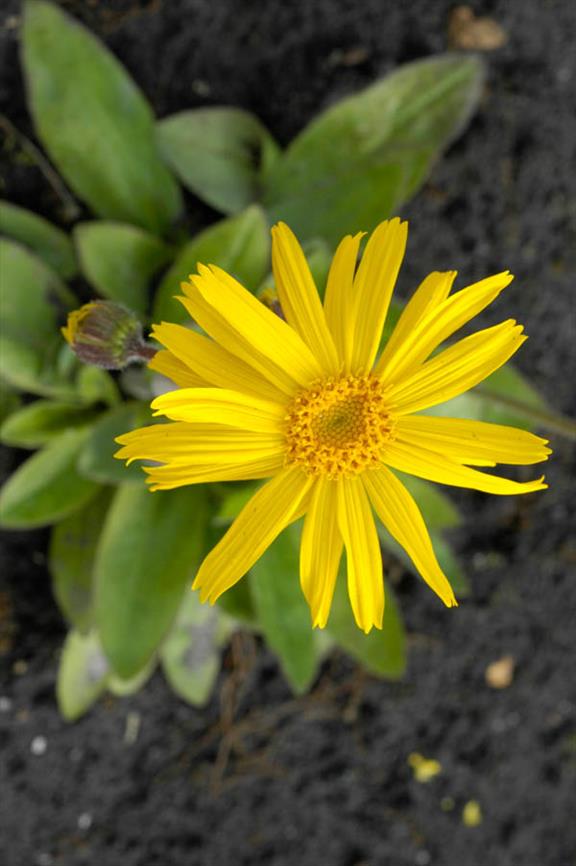
From the mountains but also in the Netherlands

Arnica montana has delicately stalked yellow flowers. It is a medicinal herb that reduces joint and tissue inflammation and encourages healing. Arnica is exclusively native to Europe, from Spain to southern Scandinavia. In the Netherlands this rare species grows on weakly acidic, dry to moist soils such as heaths and dry grassland. Elsewhere in Europe Arnica montana is relatively common in mountainous regions.

Air pollution (acidification and eutrophication) has resulted in a drastic decline in the numbers of this species. It has disappeared from Utrecht, Noord-Brabant and Limburg and is now only found only in the Northern areas of the Netherlands. Further afield mountain arnica is harvested and collected, often illegally, for its medicinal properties. The plant cannot be imported without notifying border agencies.

Treating muscle pain and bruising

The earliest documented evidence of the medicinal use of Arnica montana was made by the medieval writer, Hildegard von Bingen. In 1150 she mentioned leopard’s bane in her book Causae et Curae (Problems and Remedies). Arnica montana is a medicinal herb that reduces inflammation of the joints and muscles, and promotes healing. The beneficial effect of leopard’s bane comes from an infusion, incorporated into a gel, that is effective against muscle pain, bruising and other ailments. It promotes healing through an improvement in the transport of blood and fluids by dilating subcutaneous blood vessels.

Ecology and habitat

Leopard’s bane grows exclusively in Europe, from Spain to the south of Scandinavia. Its western most extent lies in the Netherlands and Belgium. Leopard’s bane grows in the Netherlands on weakly acid, dry to damp ground such as heathland and dry grassland. Often occurs in slightly nutrient-richer pockets in generally nutrient-poor habits, such as on scorched soil in woods where extra minerals have been released. Elsewhere in Europe this species is relatively abundant in mountainous areas.

Threat

Through air pollution (acidification and eutrophication) this species has become very much reduced. It has disappeared from Utrecht, North-Brabant and Limburg and can only now be found in Northern parts of the Netherlands. It is not only found on the Red List of the Netherlands, but is now also legally protected. This means that wild plants are not to be picked or dug up, and a license is needed to build, for example, anywhere where it is found to be growing. Outside the Netherlands leopard’s bane is harvested and collected, also illegally, because of its medicinal properties. This plant cannot be brought into the country without notification to customs.

« Description

Present in:

Hortus Botanicus Amsterdam
Botanische Tuinen Universiteit Utrecht
Botanische Tuin De Kruidhof
Nederlands Openluchtmuseum

Themes

The Botanical Gardens Association cannot take any responsibility for any adverse effects of the use of plants. Always seek the advice of a professional before using any plant medicinally. Always seek the advice of a professional before using any plant medicinally.

Crown jewel in the Alkmaar Botanic Garden and Holland Open Air Museum.

Arnica montana is a medicinal herb that reduces inflammation of the joints and muscles, and promotes healing. The beneficial effect of wolf's bane comes from an infusion, incorporated into a gel, that is effective against muscle pain, bruises and other ailments. It promotes healing through an improvement in the transport of blood and fluids by dilating subcutaneous blood vessels.

Details

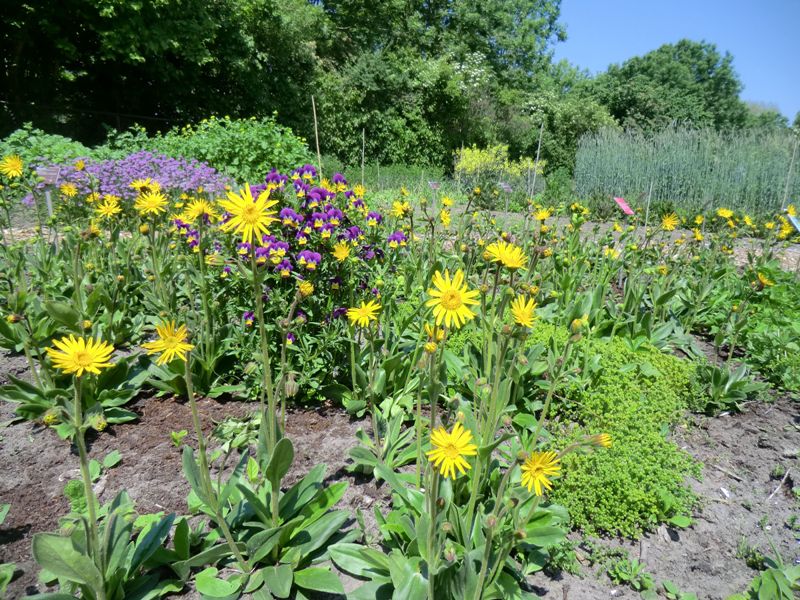
Description: Herb, up to 0.45 m.
Distributions: Europe
Habitat: Heathland and dry grassland, also in mountainous areas.
Year cycle: Perennial (trees and shrubs included)
Hardiness: -4 - 5 f (hardy - very cold winter)
Flowering period: Juni - juli
Flower color: Orange, yellow
Notes on flowers: Flowers orange-yellow and fragrant

Distribution

http://www.verspreidingsatlas.nl/0093

Sources

http://www.floron.nl/publicaties/rode-lijst-2012,
https://www.rhs.org.uk/Plants/1608/i-Arnica-montana-i/Details
  Back to results
NVBT
  • Press
  • Contact
  •