Birthwort
Aristolochia clematitis
Birthwort family (Aristolochiaceae)
 Least Concern (LC)






A Dutchman’s pipe
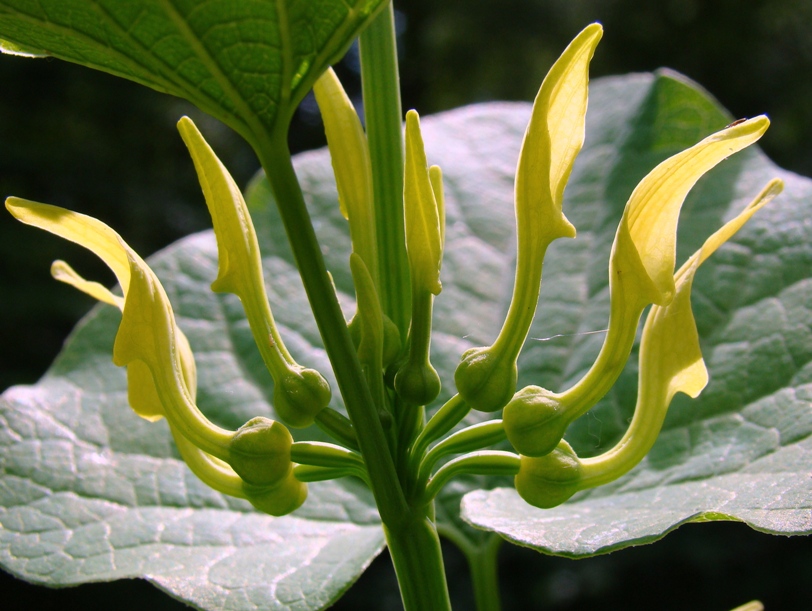
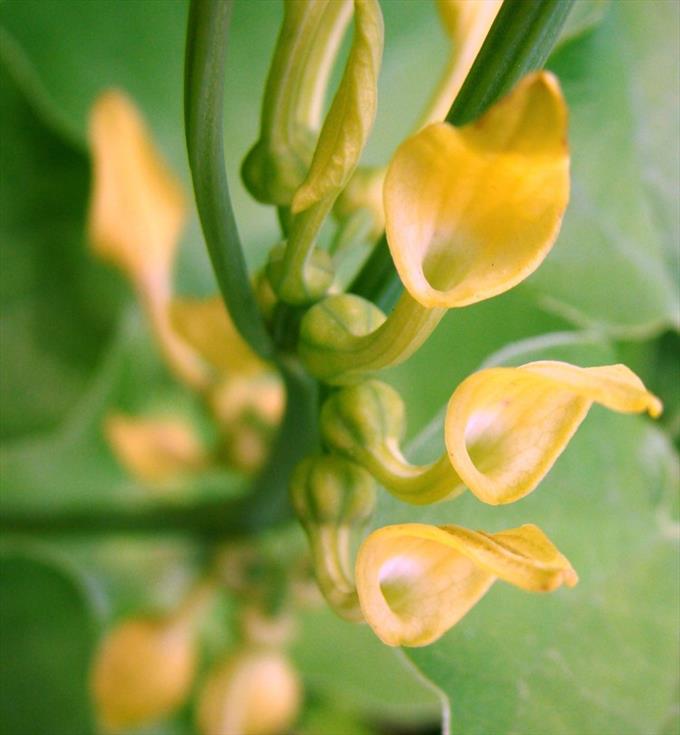
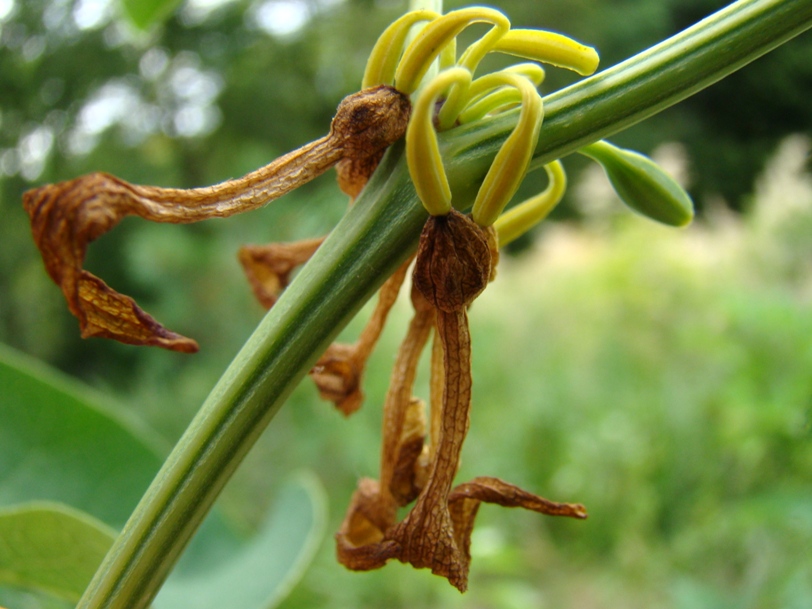
The peculiar shape of the flower has a function: it is an insect trap that traps insects by using hairs in the tubular perianth. Only once the flower has been pollinated will the hairs relax and the pollen-drenched insects can leave the flower. Its shape also has associations with that of a sailor’s pipe - hence the English vernacular name, 'Dutchman's pipe'. Its shape is also reminiscent of a uterus and birth canal, which is reflected in its scientific name, Aristolochia (Aristos meaning ‘best’; lochos meaning ‘childbirth’ or ‘birth’) and the alternative English name, ‘birthwort’.
In the Middle Ages it was thought that the shape of a plant signified where its healing power could be directed. The plant was therefore thought to stimulate labour or induce an abortion.
Themes
Crown jewel in the Nijmegen Botanic Garden.
Will be eaten by the larval stages belonging to the butterfly superfamily Papilionidae. This makes them unattractive to enemies.
The flower is an insect trap.
The plant has a light, fruity fragrance.
Roots and leaves contain aristolochic acid and should not be eaten because they cause damage to the kidneys and are also carcinogenic.
Included with ancient medicinal plants, now used in homeopathy.
The species name clematitis originates from the Greek 'klema' meaning 'tendril' and reflects its habit - it is very similar to old man's beard (genus Clematis).
Details
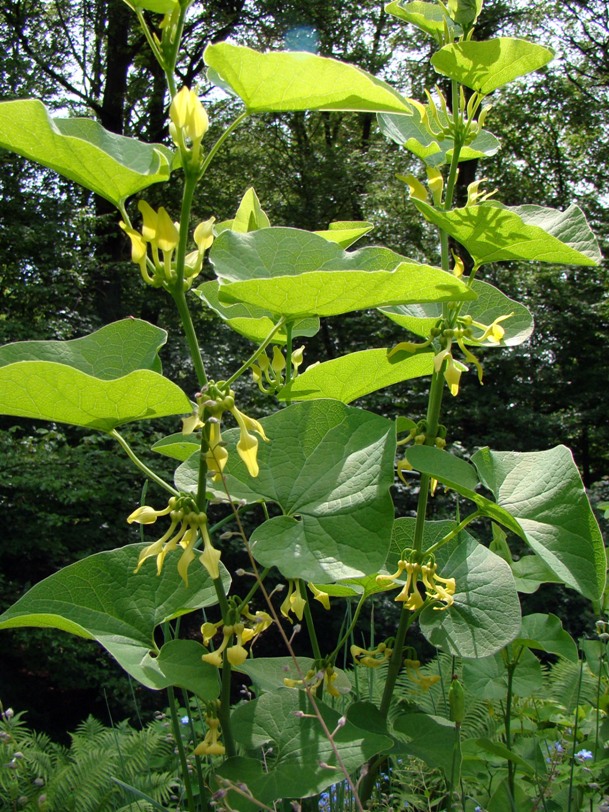
| Description: | Herb, grows up to 90 cm tall, with creeping, branched rhizomes and heart-shaped leaves mid to dark green in colour borne on thin, upright, then scandent, stems. |
|---|---|
| Distributions: | Europe |
| Habitat: | Hedges, forest edges, along oak and elm groves, brush, vineyards, near old monasteries, castles and old farms, roadsides, river dykes and between the joints of timber facades |
| Year cycle: | Perennial (trees and shrubs included) |
| Hardiness: | -4 - 5 f (hardy - very cold winter) |
| Flowering period: | Mei - juni |
| Flower color: | White, yellow |
| Notes on flowers: | Narrow, tubular pale-yellow or yellowish-brown flowers, with a pointed, curved upper lip. |
| Notes on fruits: | Capsule. the large fruits are oval to spherical. the plant very rarely forms fruit. |
| At its best: | Mei - juni |