• Gardens
  • Find plants
  • Floriade 2022
  • Botanic guardians
  • home
  • about us
  • contact
Nederlands
  Back to results

Apple Rose

Rosa villosa

Rose family (Rosaceae)

Endangered (EN)

In Leiden since 1603

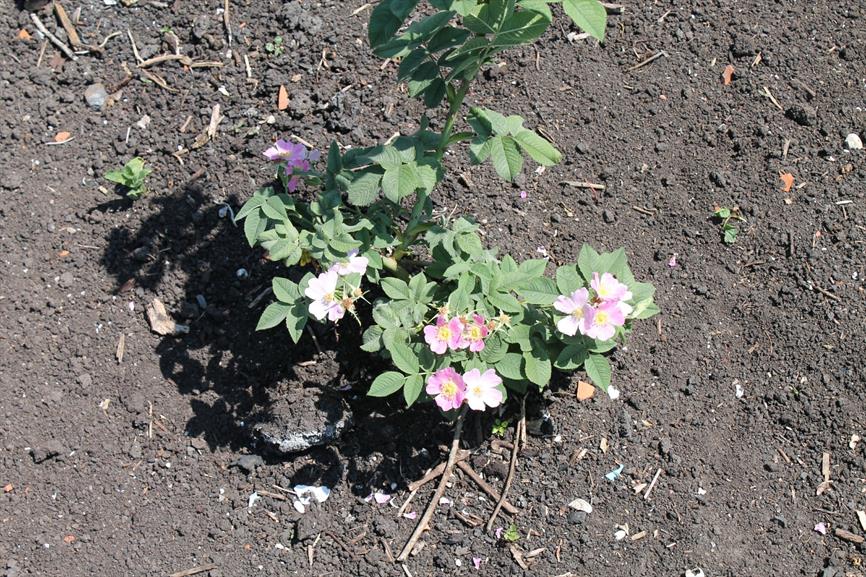
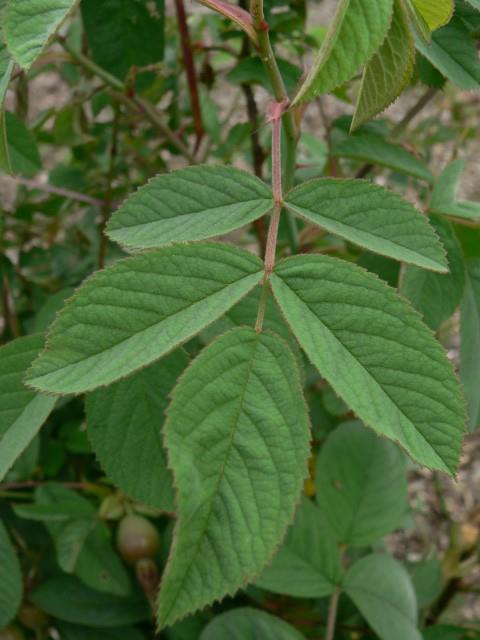
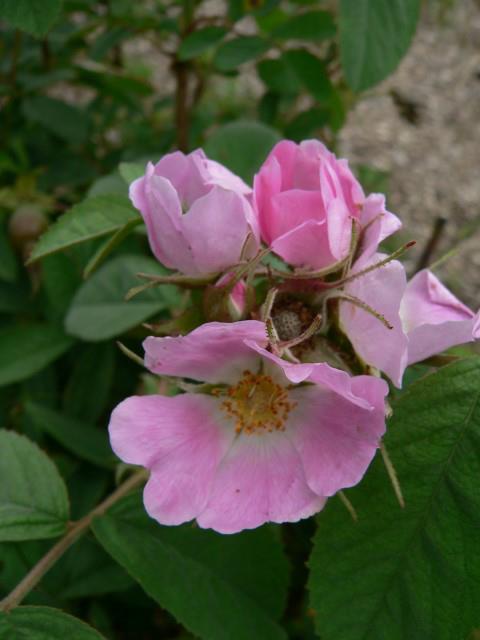
Upright bush of 1 – 2 m high that forms thick bushes as a result of suckers. The hairy to felty, grey-green leaves have glands on the under surface, which on rubbing produces the resinous scent. The thin thorns are straight with a broad base. It flowers in June and July with deep pink to dark red roses (3 – 6 cm). The flowers are borne singularly or in twos or threes.

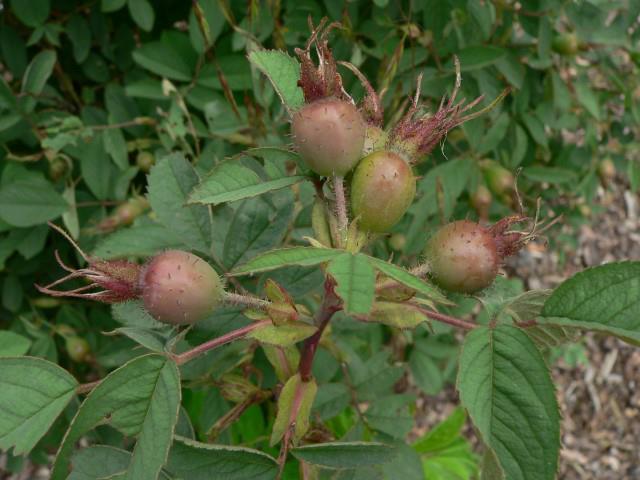
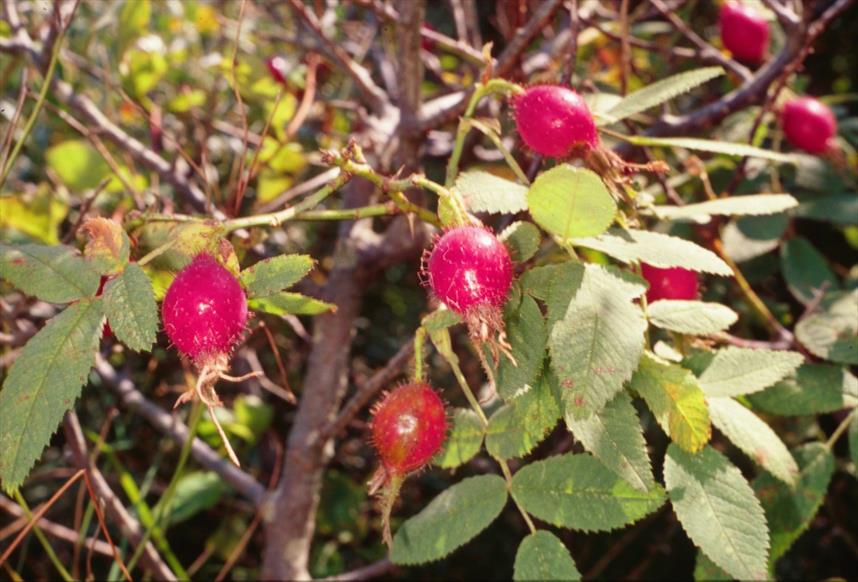
Rosa villosa is the only wild species of rose in the Netherlands that have petals with what appear to have stalked glands along the edge (2 mm). The red hips have stalked glandular hairs and are 2.5 cm in size.

Note however, the more recent introduction to Europe, Rosa rugosa, has still larger hips and is often called the ‘Japanese hip rose’, but official vernacular name is the simplier, rimpelroos (wrinkled rose) in Dutch or ‘rugosa rose’ in English.

Read more.... »
In Leiden since 1603

Upright bush of 1 – 2 m high that forms thick bushes as a result of suckers. The hairy to felty, grey-green leaves have glands on the under surface, which on rubbing produces the resinous scent. The thin thorns are straight with a broad base. It flowers in June and July with deep pink to dark red roses (3 – 6 cm). The flowers are borne singularly or in twos or threes.

Rosa villosa is the only wild species of rose in the Netherlands that have petals with what appear to have stalked glands along the edge (2 mm). The red hips have stalked glandular hairs and are 2.5 cm in size.

Note however, the more recent introduction to Europe, Rosa rugosa, has still larger hips and is often called the ‘Japanese hip rose’, but official vernacular name is the simplier, rimpelroos (wrinkled rose) in Dutch or ‘rugosa rose’ in English.

Ecology and habitat

Rosa villosa grows in thickets, and vegetation dominated by bushes from 1 – 5 m high. Thickets occur naturally around the edge of woods, above the tree line and in areas where the climate conditions prevent tree growth, such as along windswept coast.

This species probably originated from the European mountains. Now it occurs in the hill and lowlands of Europe following in the footsteps of humans and has now become a plant of forest edges and hedges, and in many countries has become established and naturalised.

Clusius cultivated the rose in 1603 in the Leiden Botanic Garden. It is strictly speaking not a native rose to the Netherlands, but rather a wild rose. This attractive rose has therefore been cultivated in the Netherlands for more than four centuries, as much as for an ornamental as for jam making (source of vitamin C).

Threat

Rosa villosa can now only be found in a few places in the Netherlands. Its greatest threat is the thickening of the vegetation along the edge of forests.

« Description

Present in:

Hortus Botanicus Amsterdam
Historische Tuin Aalsmeer
Belmonte Arboretum

Themes

The Botanical Gardens Association cannot take any responsibility for any adverse effects of the use of plants. Always seek the advice of a professional before using any plant medicinally. Always seek the advice of a professional before using any plant medicinally.

This attractive rose has been cultivated in the Netherlands for more than four centuries, as much as for an ornamental plant as for its rose hips that are used in jam making and are a source of vitamin C.

The hairy to felty, grey-green leaves have glands on the under surface, which on rubbing release a resinous scent.

Clusius cultivated the rose in 1603 in the Leiden Botanic Garden.

Details

Description: Shrub, up to 2 m.
Distributions: Europe, caucasus, west asia to iran
Habitat: Woodlands, hedgerows, thickets, forest edges, coastal dunes, along railway lines and around quarries.
Year cycle: Perennial (polycarpic decidous)
Hardiness: Colder than -4 f (very hardy)
Flowering period: Juni - juli
Flower color: Pink, red
Notes on flowers: Deep pink to dark red flowers.
Fruiting period: Augustus - oktober
At its best: Augustus - oktober

Distribution

http://www.verspreidingsatlas.nl/1087

Sources

http://www.floron.nl/publicaties/rode-lijst-2012,
http://www.pfaf.org/user/Plant.aspx?LatinName=Rosa+villosa,
Floron 2012 Basisrapport, IUCNredlist.org
  Back to results
NVBT
  • Press
  • Contact
  •