Black Currant
Ribes nigrum
Currant family (Grossulariaceae)
 Least Concern (LC)



The stories related to this plant are still being edited.
Themes
The fruit of blackcurrants can be eaten raw, but it has a strong, tart flavour. It can be made into jams and jellies which set readily because of the fruit's high content of pectin and acid. A purée can be used to make blackcurrant preserves and be included in cheesecakes, yogurt, ice cream, desserts, sorbets and many other sweet dishes. The juice forms the basis for various popular cordials, juice drinks, juices and smoothies.
Het hout en de wortels van deze Ribes geven een onwelriekende geur af. Men plantte de zwarte bes in waterrijke gebieden dan ook langs de slootkant, teneinde woelratten af te schrikken. Dit is echter niet afdoende gebleken.
In de homeopathie wordt de zwarte bes meer en meer gebruikt als diureticum (vochtafdrijvend) of diphoreticum (zweetafdrijvend) en helpt de lichamelijke weerstand tegen infecties te verhogen. Ook de bladeren worden als geneesmiddel gebruikt, deze bevatten looistoffen die ontsmettend werken. Zo kan er thee getrokken worden uit de bladeren voor een heilzame werking , o.a. tegen koorts (diuforetisch), urine uitdrijvend (diureticum) en tegen reuma. De bladeren werden op wonden gelegd, om deze te helen.
De soort wordt nog op beperkte schaal geteeld voor de verwerkende industrie. De bessen worden machinaal geoogst en verwerkt tot sap. Belangrijk zijn een goede sapkleur, een hoog vitamine C-gehalte en een aroma dat wordt aangeduid als 'cassis'.
The leaves can be extracted to yield a yellow dye and the fruit is a source for a blue or violet dye.
Details
| Description: | Shrub, 60 - 150 cm. |
|---|---|
| Distributions: | Koel-gematigde streken in europa en azië. ingeburgerd in noord-amerika en nieuw-zeeland. |
| Habitat: | Bossen, houtwallen, waterkanten, zeeduinen en soms in knotwilgen. |
| Year cycle: | Perennial (polycarpic decidous) |
| Hardiness: | -4 - 5 f (hardy - very cold winter) |
| Flowering period: | April - mei |
| Flower color: | Yellow, green, red |
| Notes on flowers: | Klokvormig groeniggeel of roodachtig 7-8 mm, in lange tros. |
| Fruiting period: | Augustus - september |
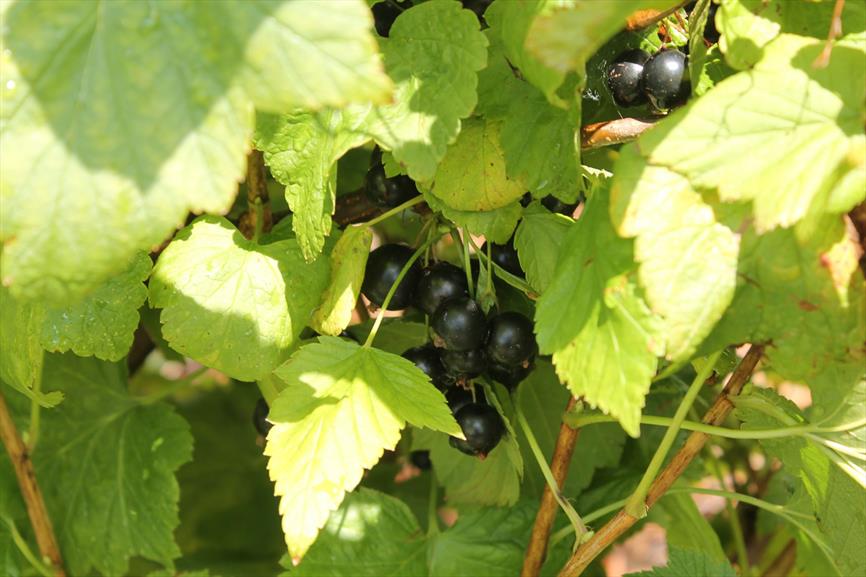
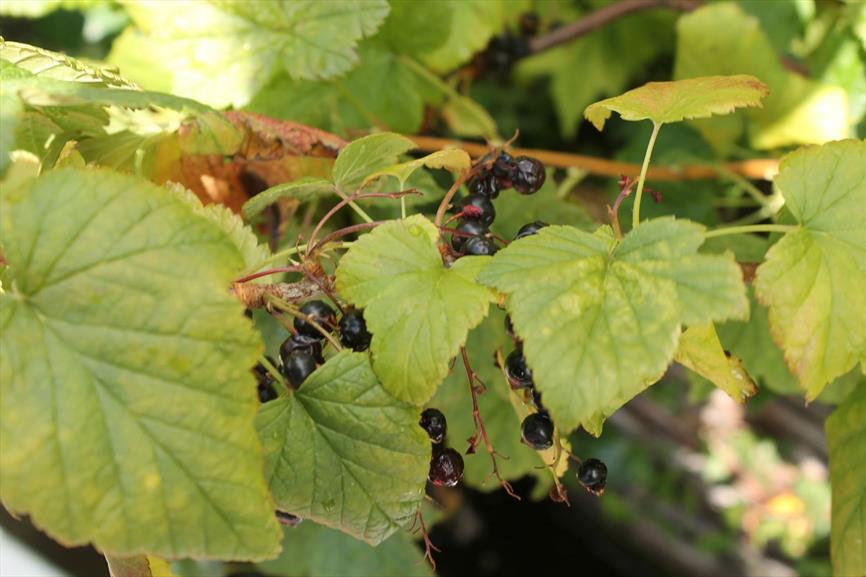
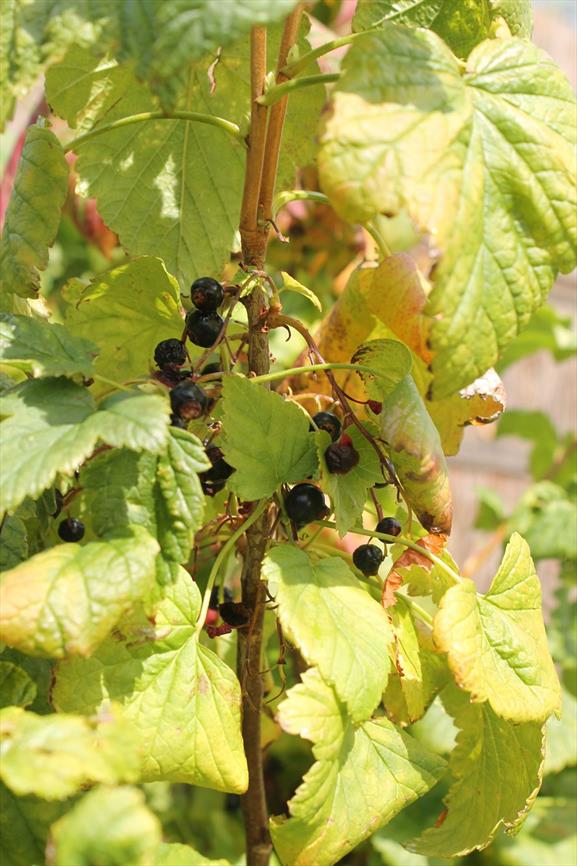
| Fruit color: | Black |
| Notes on fruits: | Eenmaal rijp zwart (1,2-1,5 cm) in trosje. |
| At its best: | April - mei, augustus - oktober |
Sources
https://www.wilde-planten.nl/zwarte%20bes.htm,https://pfaf.org/user/Plant.aspx?LatinName=Ribes+nigrum,
https://en.wikipedia.org/wiki/Blackcurrant,
http://www.historischetuinaalsmeer.nl/,
https://mens-en-gezondheid.infonu.nl/natuurgeneeswijze,
http://www.soortenbank.nl/soorten.php?soortengroep=flora_nl_v2&id=1035,
https://nl.wikipedia.org/wiki/Zwarte_bes,
Geneeskrachtige planten Nederlands Openluchtmuseum 2005